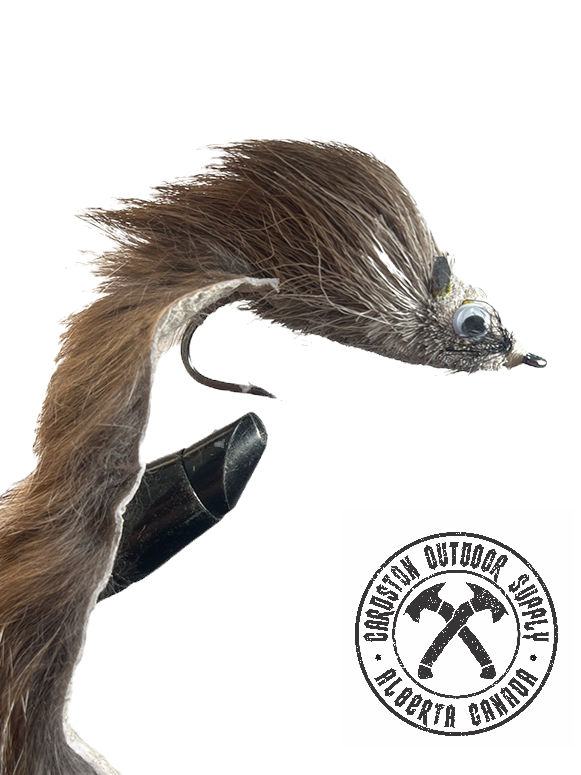
The Blue Dun fly pattern is a classic dry fly pattern designed to imitate the dun (sub-adult) stage of mayflies, particularly those with a bluish or grayish tint. This fly is effective in clear rivers and streams, especially when blue-winged olives (Baetis species) or other gray or bluish mayflies are hatching. It’s a well-known pattern for trout fishing, and its simple but effective design makes it a staple in many anglers’ fly boxes.
Key Features and Materials:
- Hook: Dry fly hook, sizes 12 to 20, depending on the local insect size.
- Thread: Gray or blue-gray.
- Tail: Medium-blue dun hackle fibers.
- Body: Blue-gray or light gray dubbing, often made of rabbit or synthetic materials. The body can also be made of blue-gray silk thread.
- Ribbing: (Optional) Fine silver or gray wire for subtle segmentation.
- Wing: Upright and divided blue dun hackle tips or gray mallard flank feathers.
- Hackle: Blue dun hackle wrapped around the hook to create a light, airy collar that allows the fly to float on the surface.
- Head: Finished with blue-gray thread.
Imitation Target:
The Blue Dun is designed to imitate the dun stage of mayflies, specifically those with grayish or blue-tinged wings, such as the blue-winged olive (Baetis species) or other small mayflies. In this stage, the mayfly is resting on the water’s surface before taking flight, making it vulnerable to feeding fish.
Best Conditions for Using the Blue Dun Fly:
- Water Clarity:
- Clear Water: The Blue Dun’s subtle, natural colors make it perfect for fishing in clear water. This is where fish are more selective and the fly needs to mimic natural prey closely.
- Mayfly Hatches:
- Baetis Hatches (Blue-Winged Olive): This fly is especially effective during blue-winged olive hatches, which are common in both spring and fall. Trout often key in on these small mayflies, and the Blue Dun matches them well.
- General Mayfly Hatches: The Blue Dun specifically targets Baetis hatches but also imitates other small gray or blue-gray mayflies during their hatching period.
- Water Flow:
- Calm, Smooth Water: Dry flies like the Blue Dun perform best in calmer waters, such as slow-moving runs, eddies, and pools, where trout are likely to sip duns off the surface.
- Gentle Currents: In gentle riffles or seams, the fly can drift naturally, attracting fish that are feeding on emerging or freshly hatched insects.
- Time of Year:
- Spring and Fall: The Blue Dun is especially useful during the spring and fall months when Baetis mayflies are most active. These small mayflies often hatch during cool weather, making the Blue Dun fly ideal for fishing in these seasons.
- Overcast Days: Blue-winged olive mayflies are known to hatch in cloudy or overcast weather, and the Blue Dun fly excels in these conditions.
- Fishing Depth:
- Surface Fly: This is a dry fly, meaning it floats on the surface of the water, imitating a freshly emerged mayfly. Fish it on the surface during hatches or when fish are seen rising.
- Light Conditions:
- Low Light: The subtle tones of the Blue Dun are ideal for low-light conditions. For example early morning, late afternoon, or overcast days, when the muted blue-gray tones blend well with the natural surroundings.
Techniques for Fishing the Blue Dun Fly:
- Dead Drift: Cast upstream or across the current and allow the fly to drift naturally on the water’s surface, imitating an insect at rest. A drag-free drift is essential for this technique, as it allows the fly to look as natural as possible.
- Sight Fishing: Use the Blue Dun when you spot trout rising to take insects off the surface. Cast directly to the rise and let the fly land softly in front of the fish.
- Match the Hatch: During mayfly hatches, when trout are selectively feeding on duns, the Blue Dun can be a key pattern to match the specific stage and size of the emerging mayflies.
- Twitching: Occasionally, a small twitch of the fly can imitate a struggling or drying dun. That can provoke a strike from fish that are observing from below.
Variations of the Blue Dun Fly:
Several variations exist, adjusting the fly to better suit specific conditions:
- Light Blue Dun: Uses a lighter shade of gray or blue in the body and hackle. This makes it a better choice for brighter days or lighter-colored mayfly species.
- Parachute Blue Dun: A parachute version of the fly includes a post of white or bright material. That makes the fly easier to see on the water’s surface. The parachute hackle also helps the fly ride lower in the water, mimicking an insect trapped in the surface film.
- Emerger Blue Dun: Some versions are tied as emergers. With a trailing shuck and a lower profile to represent a mayfly emerging from its nymphal shuck.
The Blue Dun Fly is a versatile and effective dry fly pattern. It is perfect for imitating the dun stage of gray or blue-tinged mayflies like the blue-winged olive. It’s particularly effective during spring and fall mayfly hatches and works best in clear water and low-light conditions. Whether fished on calm, slow-moving water or in gentle currents, the Blue Dun’s natural color and realistic design make it a reliable pattern for targeting trout feeding on the surface.